
If you have shopped for a handbag online in the last year or two, chances are you have run into the phrase “cactus leather” at least once, usually next to a price tag that makes you pause and a product photo that looks suspiciously like real leather. That confusion is fair. Cactus leather is one of those materials that sounds like a marketing gimmick until you actually understand what it is and where it comes from. This guide walks through the basics in plain language, so that by the end you know exactly what you would be buying, not just what you would be paying for.
So, What Is Cactus Leather, Really?
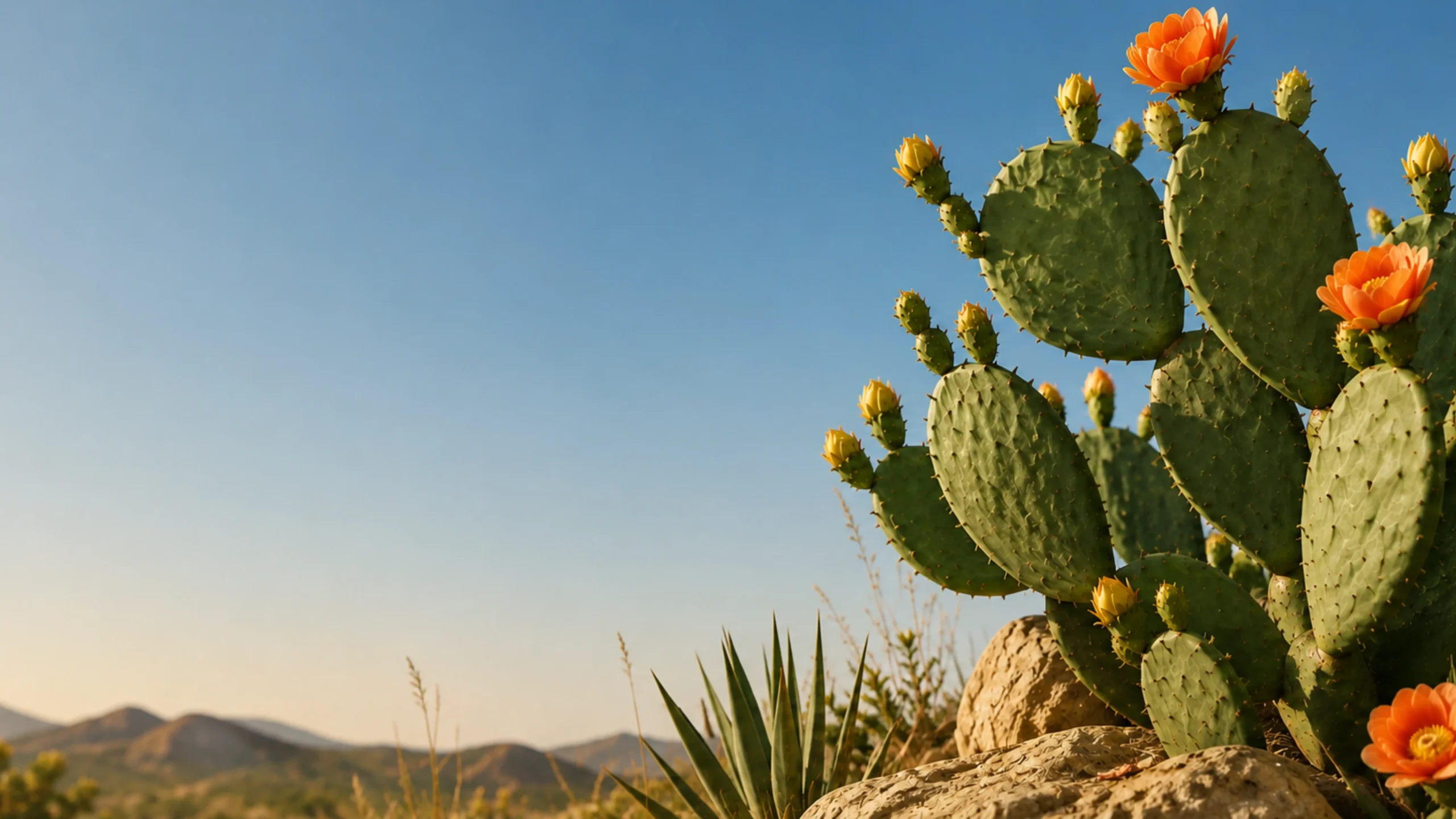
Cactus leather is a leather alternative made primarily from the Nopal cactus, also called prickly pear, a plant that grows in dry regions with very little water. The material was developed by a Mexican company called Desserto, founded by Adrian Lopez Velarde and Marte Cazarez in 2019, and it has since become the reference point that most cactus leather products, SHIMOH’s included, are compared against.
The process starts with mature cactus leaves being harvested from working plantations. Only the outer leaves are cut, the plant itself is left alive and healthy, and the same cactus can be harvested again every six to eight months for up to eight years. The harvested leaves are dried in the sun rather than in energy-hungry ovens, then processed into a flexible, leather-like sheet. Most cactus leather on the market today is somewhere between 80 and 90 percent plant-based, with a small proportion of a bio-based or partially recycled polymer added to give it the flexibility and abrasion resistance a bag actually needs day to day.
That last part matters, because it is where a lot of the confusion around “vegan leather made of” claims comes from. Cactus leather is not purely a cactus, in the same way that plywood is not purely wood. It is a plant-first composite, and a well-made one keeps the synthetic share as small as the performance requirements allow.
How It Is Different From Regular Vegan Leather
“Vegan leather” on its own only tells you what a material is not, it is not derived from an animal hide. It does not tell you what the material actually is. Most vegan leather sold in India and globally over the last two decades has been PU (polyurethane) or PVC (polyvinyl) leather, both entirely petroleum-based plastics stuck onto a fabric backing. They look fine on day one and start cracking, peeling, or yellowing within a couple of years, because plastic does not age gracefully.
Cactus leather sits in a newer category sometimes called next-gen or bio-based leather, alongside materials like mushroom leather and apple leather. The difference is the starting point: instead of beginning with crude oil, the process begins with a fast-growing, low-water crop. That single change affects everything downstream, from how the material is produced to what happens to it at the end of its life.
What It Actually Feels Like
This is usually the first question anyone asks once they get past the “is it real” stage. Good quality cactus leather has a soft, slightly textured surface, closer to a matte nubuck finish than the high-shine plastic look of cheap PU. It has enough structure to hold a bag’s shape without feeling stiff, and it takes creasing the way genuine leather does rather than cracking along a fold line the way low-grade synthetics tend to. SHIMOH’s Eira and Sael sling bags use this exact quality of material, which is why the surface softens slightly with use instead of stiffening or flaking.
Why Brands Like SHIMOH Are Building Around It
For a bag brand, cactus leather is a genuine upgrade over standard PU on three fronts: it uses a renewable crop instead of petroleum as its base input, its production process needs a fraction of the water and energy that finishing animal hide leather requires, and it gives customers a material story that holds up to scrutiny rather than one that falls apart the moment someone asks a follow-up question.
SHIMOH builds its entire handbag range, from the Eira and Sael slings to the Kova and Ciela satchels, the Nox tote, the Zeva laptop bag, and the Cara crossbody, on cactus-based vegan leather for exactly this reason. It is not a single hero product wrapped in sustainability language, it is the material the whole catalogue is built on.
Ready to Shop
If you have made it this far, you already know more about cactus leather than most people shopping for a handbag this week. The next step is simple: pick a shape you actually need, whether that is a compact sling for daily errands or a laptop-ready work bag, and see how the material feels in a bag built around your routine. Browse SHIMOH’s cactus leather collection and feel the difference for yourself, most first-time buyers say the same thing: it does not feel like a compromise.

Mirae hobo Bag
Material: Handcrafted cactus vegan leather Colour: Rust — earthy, timeless, and versatile Inspired by: Natural…
Mirae hobo Bag
Material: Handcrafted cactus vegan leather Colour: Rust — earthy, timeless, and versatile Inspired by: Natural forms that balance structure and softness Fits: iPad, notebook, phone, wallet, and other essentials Features:…

Eira Sling Bag
Material: Cactus vegan leather Colour: Black / Tan — timeless and versatile Inspired by: Minimal…
Eira Sling Bag
Material: Cactus vegan leather Colour: Black / Tan — timeless and versatile Inspired by: Minimal design and everyday ease Fits: Phone, wallet, keys, and small daily essentials Features: Comfortable strap,…
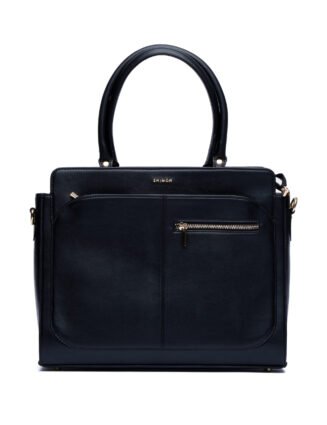
Zeva Laptop Bag
Material: Cactus vegan leather Colour: Black — classic and versatile Inspired by: Functional minimalism for…
Zeva Laptop Bag
Material: Cactus vegan leather Colour: Black — classic and versatile Inspired by: Functional minimalism for work and travel Fits: Laptop, tablet, documents, charger, and other office essentials Features: Padded laptop…

Sael Sling Bag
Material: Cactus vegan leather Colour: Tan — warm and versatile Inspired by: Minimal design and…
Sael Sling Bag
Material: Cactus vegan leather Colour: Tan — warm and versatile Inspired by: Minimal design and everyday ease Fits: Phone, wallet, keys, and other daily essentials Features: Comfortable strap, secure closure,…
Frequently Asked Questions
Is cactus leather actually made only from cactus?
Mostly, but not entirely. Quality cactus leather is typically 80 to 90 percent plant-based material from the Nopal cactus, blended with a small amount of a flexible bio-based or partially recycled backing so the finished sheet can handle the stitching, folding, and daily wear a handbag goes through. SHIMOH sources its cactus leather to keep the plant-based share as high as durability allows.
Does cactus leather look and feel like real leather?
Yes, that is generally the first reaction people have. Good cactus leather has a soft, matte, slightly grained surface that is closer to nubuck than to shiny plastic, and it creases naturally the way genuine leather does. It is genuinely difficult to tell apart from animal leather by touch alone once it has been made into a finished bag.
Is cactus leather more expensive than PU leather?
Usually, yes, cactus leather bags typically cost somewhat more than basic PU bags, but they also last considerably longer without cracking or peeling, which is the main failure point of cheap synthetic leather. On a cost-per-year basis, most buyers find cactus leather works out to be the better value, not the pricier one.
Which SHIMOH bags are made from cactus leather?
SHIMOH’s full handbag range is built on cactus-based vegan leather, including the Eira and Sael sling bags, the Kova, Mini, Ciela, and Eloq satchels, the Mirae hobo, the Nox tote and Zeva laptop bag, and the Cara crossbody, so you are choosing a shape and size rather than choosing between materials.
Is cactus leather waterproof?
It has good natural water resistance and handles light rain and everyday spills well, though like any leather-type material it is not designed for full submersion. SHIMOH bags are finished to cope comfortably with Indian monsoon conditions when paired with basic care, which is covered in our separate guide on monsoon-proofing your handbag.